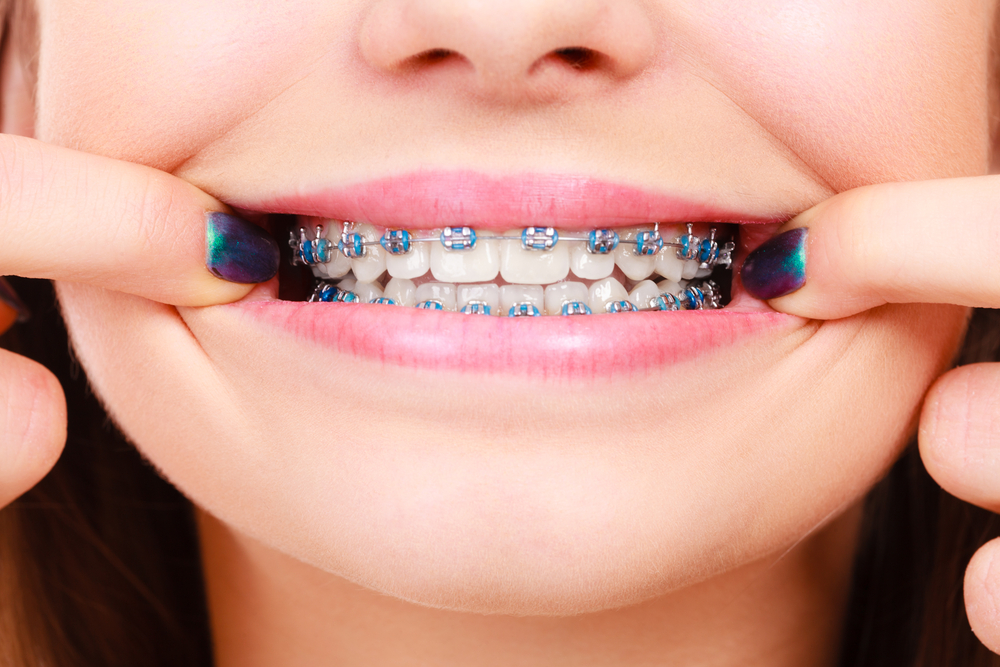
Why Retainers Matter After Orthodontic Treatment
Even after we remove your braces or you finish with Invisalign, your teeth remain susceptible to movement. Without the right retainer, your teeth can gradually shift back to their original positions, undoing months (or years) of progress. That’s why we emphasize the importance of retention—to lock in the results of your treatment and maintain your new smile. Whether you choose clear retainers, a bonded option, or an Essix-style retainer, consistency is key to preserving your alignment.
What Causes Teeth to Shift?
A well-made, properly worn retainer helps prevent these issues from reversing your hard-earned results. Several factors contribute to shifting teeth, even in adults. Common causes include:
- Natural changes in your bite as you age
- Pressure from speaking, chewing, or grinding
- Lack of consistent retainer use
- New tooth eruption, like wisdom teeth
- Oral habits like nail biting or clenching
Options That Fit Your Life: Custom Retention in Austin
We use high-tech tools like the iTero Digital Scanner, digital impressions, intraoral cameras, and panoramic X-rays to take detailed, comfortable scans of your teeth. These digital models allow us to fabricate precise, secure, and customized retainers for your bite.
Types of Retainers We Offer for Retention in Austin
We walk you through each option and help you choose the best option for your lifestyle and treatment goals. Our team offers three main types of retainers based on your specific case and personal preferences:
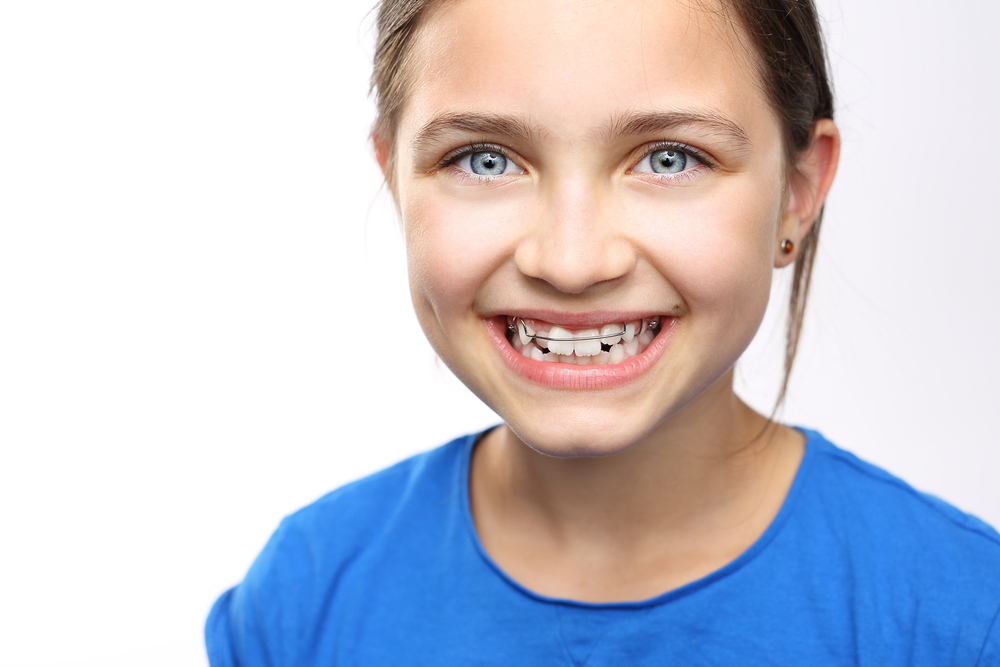
1. Hawley Retainers
- Made of acrylic and wire
- Removable and easy to clean
- Durable and long-lasting
- Adjustable to accommodate minor tooth movement
2. Clear Plastic Retainers (Essix-style)
- Transparent and discreet
- Custom-molded and made in office
- Comfortable and removable
- Ideal for patients who prefer low-profile options
3. Fixed/Bonded Retainers
- Cemented to the back of your front teeth
- Invisible from the outside
- No risk of forgetting to wear it
- Great for patients at higher risk of relapse
What to Expect During Your Retention Visit
We make this process easy and efficient so that transitioning into the retention phase feels seamless. Once we complete your active orthodontic treatment, we schedule a retention consultation. At this appointment, we:
- Take impressions or digital scans using iTero and other advanced imaging tools
- Fit your custom retainer (whether bonded, Essix, or Vivera) for comfort and accuracy
- Provide detailed instructions on wear and care
- Discuss how your retention schedule will change over time
- Answer all your questions about cleaning, storing, and maintaining your retainer
How Long Will I Need to Wear My Retainer?
Your jaw and teeth adapt even after treatment ends, so consistent retainer wear is the best way to avoid unwanted movement. Every patient’s retention schedule is unique, but here’s what most people can expect:
- First 3–6 Months: Full-time wear (except while eating, brushing, or flossing)
- After 6 Months: Nighttime wear as instructed by your orthodontist (for all retainer types, including clear retainers and bonded wires)
- Long-Term: Continued nighttime wear to maintain alignment
Tips for Retainer Care
Wearing and caring for your retainer may feel like a small task, but it plays a big role in keeping your smile straight for life. We give each patient clear guidance on how to care for their retainer. Here are some key reminders:
- Brush your retainer daily with cool water and a soft toothbrush (especially important for clear retainers like Essix or Vivera to prevent clouding).
- Never use hot water—it can warp the material
- Always store your retainer in its case when not in use
- Bring your retainer to checkups so we can assess fit and function
- Contact us immediately if your retainer feels off, gets damaged, or goes missing (this applies to bonded retainers too—loose wires need prompt attention!)